Kai Staats: writing

What I Learned from the Road VI

It has been two years since my last road trip, a flight to Chicago, visit at Northwestern, and then more than two weeks coming back to Arizona with a massive telescope in the back of a rented van. Starting in Racine Wisconsin, I visited my grandmother in Iowa and friends in Colorado before making my way home to Arizona. Dan Heim was kind enough to receive the telescope, and later that fall work with me every weekend to refurbish and upgrade the beautiful instrument for the Mt. Meru Astronomical Observatory.

Now, I have lived out of my car for two weeks and three days, having left Cascabel, Arizona Thursday, July 30. I drove to the Alvord Desert of southeastern Oregon where the Pacific Spaceflight team attempted a manned hydrogen balloon launch. From there I enjoyed a night at the Crystal Cane hot springs, then two nights and a day in Bend where I pulled on rock and landed on a bouldering crashpad for the first time in months. A few days with Cascabel neighbors and good friends David and Pearl outside of Philomath, then to the Pacific Coast, lush forests and the splendid views along the 101.

Being on the road, the namesake of this entire collection of essays, is not what it used to be for me. For several years, from 2010 through 2018 it was my norm. I was never in one place for more than a few weeks (aside from my apartment in South Africa 2014-15), constantly packing and unpacking, hand-washing clothes, buying just enough food to fill a cooler. That routine with which I moved through world was not readily available to me at the start of this journey. I had lost the rhythm, the comfort of the day to day.

I am regaining comfort with me, away from home. Day by day, week by week I am regaining the freedom of living without attachment to so many material things. In so doing, I am once again able to reflect upon what I have learned from the road.

While COVID has restricted our movement, and made social interaction strained, nearly impossible in certain situations, overall we remain a social species, eager to engage. Smiles behind the masks of gas station attendants, well wishing issued from the far side of plexiglass at checkout counters, and campground stories yet told from across open fires.

I found focus again. Mornings spent fixing oatmeal over my Coleman stove, reading, and stirring the coals of the campfire from the night before. I sat upon my bouldering crashpad with laptop and hot tea, checking email when I had a signal. When my brain scattered, and checking email became an autonomous response to feeling alone in the world, I went for a swim or a hike. Two, sometimes three days in one place and then I’d move on. No real time frame. No sense of urgency to get home. The longer I was away, the more comfortable I felt, and the more I found balance in my days.

Cascabel to Tucson, Arizona … Las Vegas to Tonopah, Battle Mountain, and Winnemucca, Nevada … The Fields Station at the Alvord Desert to Burns, Oregon and then Bend, Corvallis, and Philomath. Down the coast for a few days of hiking on the dunes, then back inland through Eugene to Hills Creek Lake for three days and two nights on the backside of a massive reservoir. Swimming three times a day to cool off from the nearly 100F temperatures, moving my car and mobile office to remain in the shade of the pine and fir. Further along Oregon 58, South on 97 to Crater Lake for a rainy afternoon. At Klamath Falls I turned West along HW140 and enjoyed one of the most splendid sections of road in my journey, a narrow blacktop that wove its way over pine topped hills into cultivated valleys, through towns only visible in the fine print of the map. I spent one night at Hunters Hot Spring Lodge, a place whose more glamorous history is maintained only in the black and white photos on the failing walls. Whisky drinking, bikini-clad locals and friends of the manager gathered without concern for COVID at one end of the naturally heated pool while I remained at the other. I engaged in a conversation with a massage therapist whose story of managing a thousand head of cattle on horseback over a hundred thousand acres, a broken back, and healing through non-traditional means captivated me for a half hour. Her husband and son now run an alternative healing clinic out of the Lodge with intent to expand, and purchase their own land soon. Through unexpected hard times often come the most unexpected triumphs, again and again.

I continued on Oregon 140 across one of the most magical stretches of highway I have ever driven. No power lines. No towns. No trees. Just wide open vistas that would give one the belief they lived on an uninhabited planet were it not for a vehicle coming the other direction once every thirty to forty five minutes. Full circle, drove again through Winnemucca and took the interstate into the heart of Utah, then south to Moab and my land. At 8000 feet elevation, the temperature was yet too hot for comfortable work by day, and so I drove higher to a campsite in the La Sal National Forest, at roughly 9500 feet elevation. I spent a week there, heading into town every other day for ice, food, and to get on-line for a few hours. I had rediscovered the kind of efficiency that comes with being on-line for just a few hours per day, downloading email and answering only those of import immediately, the rest from my campsite into the evening, sending the next day.

For the first time in eight years I climbed on top a mountain bike and tackled The Whole Enchilada, a 32 miles ride of extraordinary challenge compounded by temperatures in the high 90s, over 100 by early afternoon.

Home through the Navajo Nation, visiting Colleen’s parents, and finally, Cascabel.

How many years will it be before I live from the road again? How will COVID affect the way we travel, explore, and interact?

Other essays in What I learned from the Road

By |2025-08-06T20:11:19-04:00September 9th, 2020|From the Road|Comments Off on What I Learned from the Road VI

If a finch could fly faster

Would the finch donning a strap-on propeller evade the claws of the hawk or eagle?

Would the tuna sporting a motorized fin and AI controlled rudder escape the stomach of a dolphin?

Would the earthworm find more fertile soil if it was able to employ ground-penetrating radar?

Does dominion over the natural world grant us a sense of superiority and control?

The hawk would be forced to shift its diet to those prey yet within its reach, as all species have had to do over time. But if the trend spread quickly, and all birds under the watchful eye of hawks, eagles, and owls were to escape most encounters relatively unharmed due to hi-tech gear acquired on low interest rate loans, the ecosystem would collapse for the uncontrolled proliferation of those that consume insects and seeds and the inevitable demise of their food source too. Only the vulture would benefit, in the short term, until a new balance was found.

Coyotes with Kevlar body armor would stand fearless against the rancher. Mountain lions with pepper spray and tasers would no longer take refuge in trees against hunting dogs. And the lowly rat would dominate the human house if its teeth were reinforced with diamond-carbide coatings, enabling concrete block, drywall panels, and wire mesh a mere time consuming annoyance.

Yet, with each improvement, with each upgrade, the rapid altering of a balance defined by millions of years declares no winner, only those who lose. When will we be OK with what we have, finding joy in the speed of our own two legs, the strength of our own two arms, and focus instead on the development of our heart and minds?

By |2020-11-10T21:59:11-04:00August 10th, 2020|Critical Thinker, Humans & Technology|Comments Off on If a finch could fly faster

Walking in the ripples of the rain, a photo essay

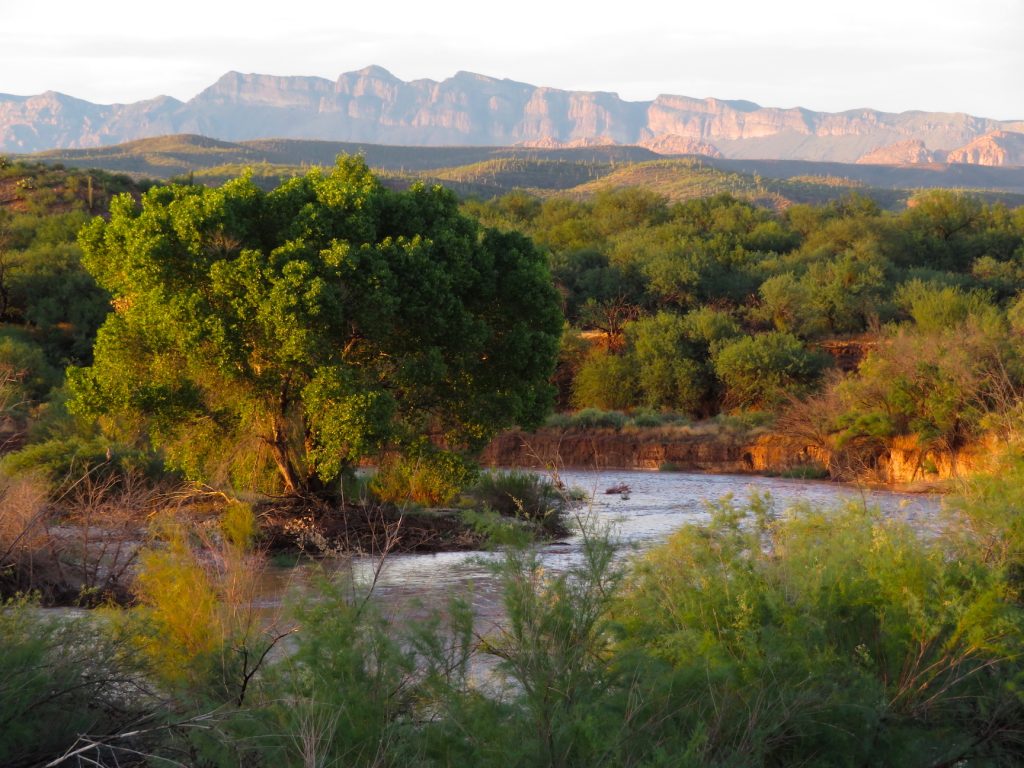
San Pedro running, Galiuros standing, by Kai Staats

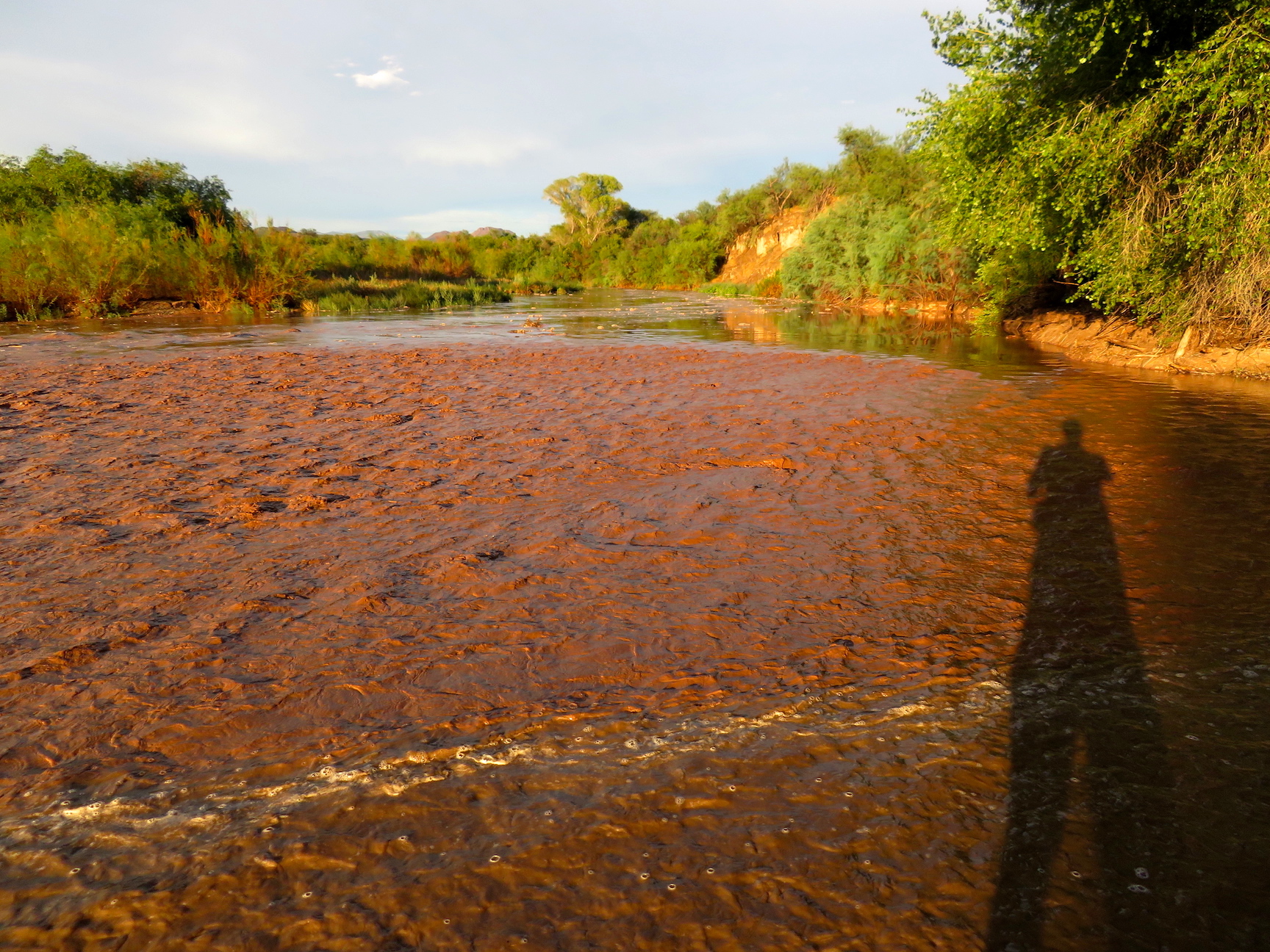
In the desert, the rain seldom arrives in a subtle manner, quietly or over the course of hours. Rather, it obliterates the sun within minutes, a bold, dark mass that hides something sinister. At the leading edge of the billowing clouds is a swirling mass of cool, moisture ladened air. A simultaneous sense of excitement and dread is carried by a deceptive, playful greeting. Soon, that same wind is breaking branches and tossing loose sheets of metal into neighboring pastures. Bold strokes of light rise from points unseen, echoed by melodramatic rumbles that awake toads for a twelve hours mating ritual.

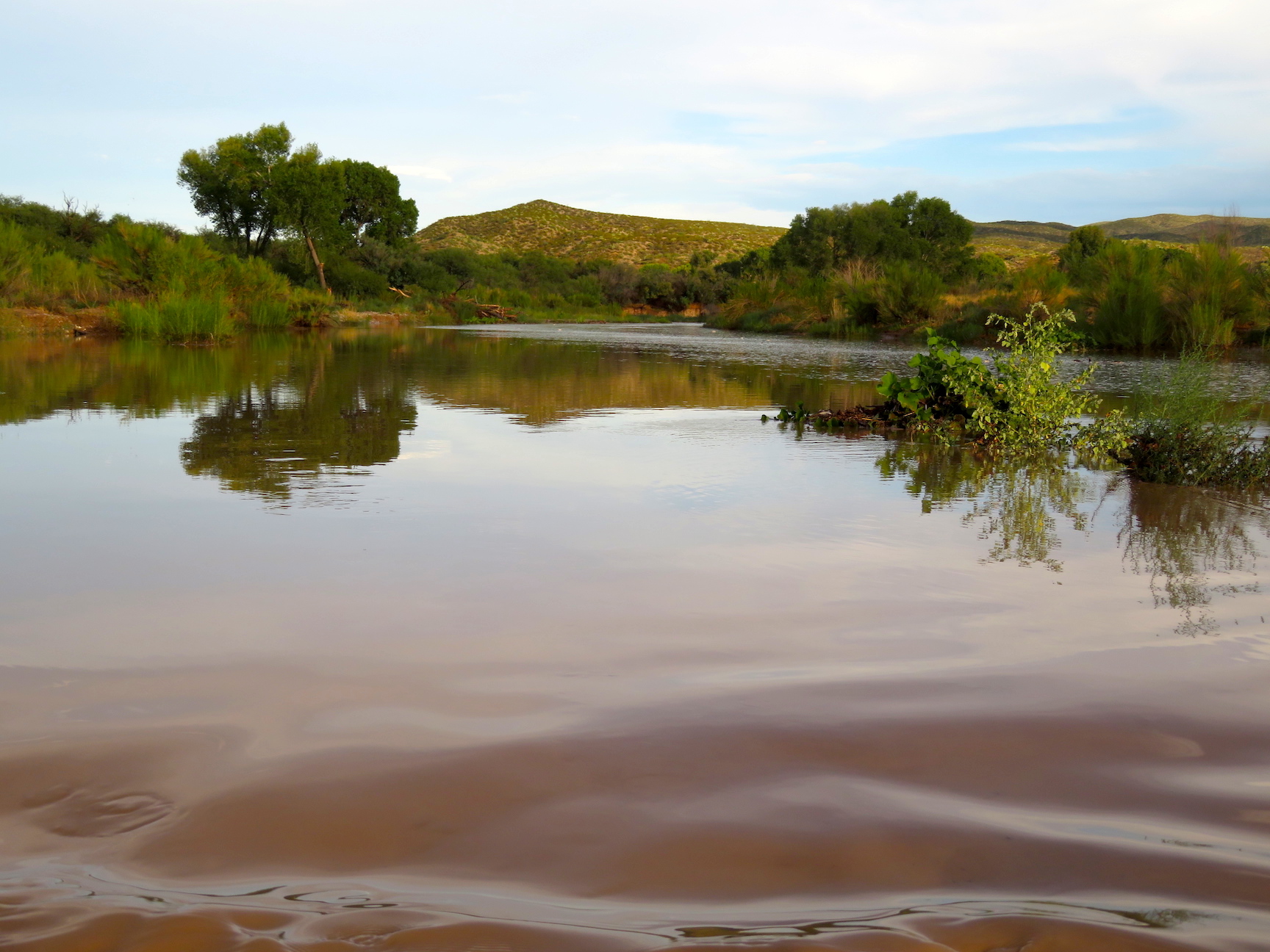
Just before sunset, blue skies chase black past the horizon and the rivers run as though they were never without water, only a memory of dry sand a few hours earlier.

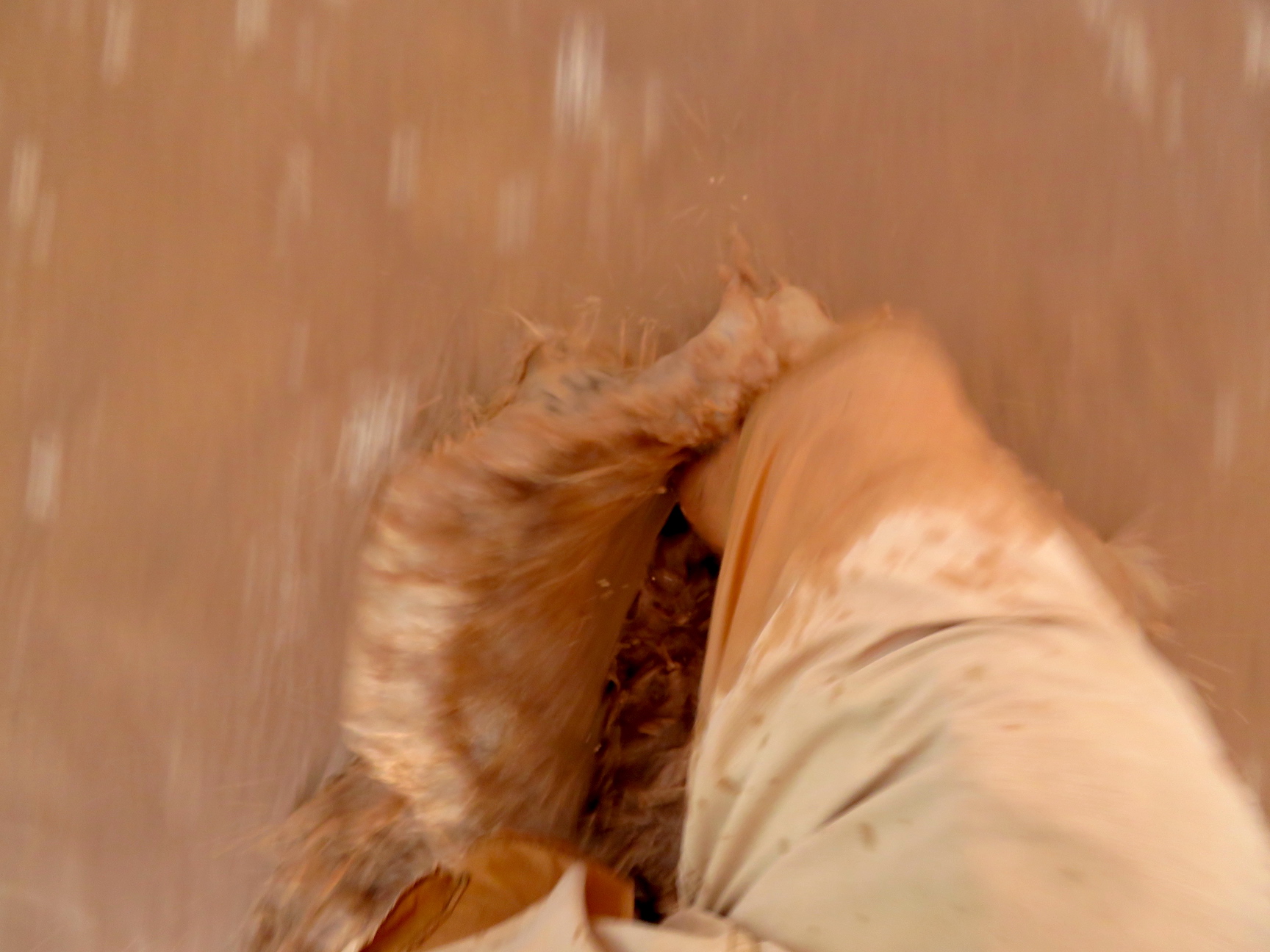
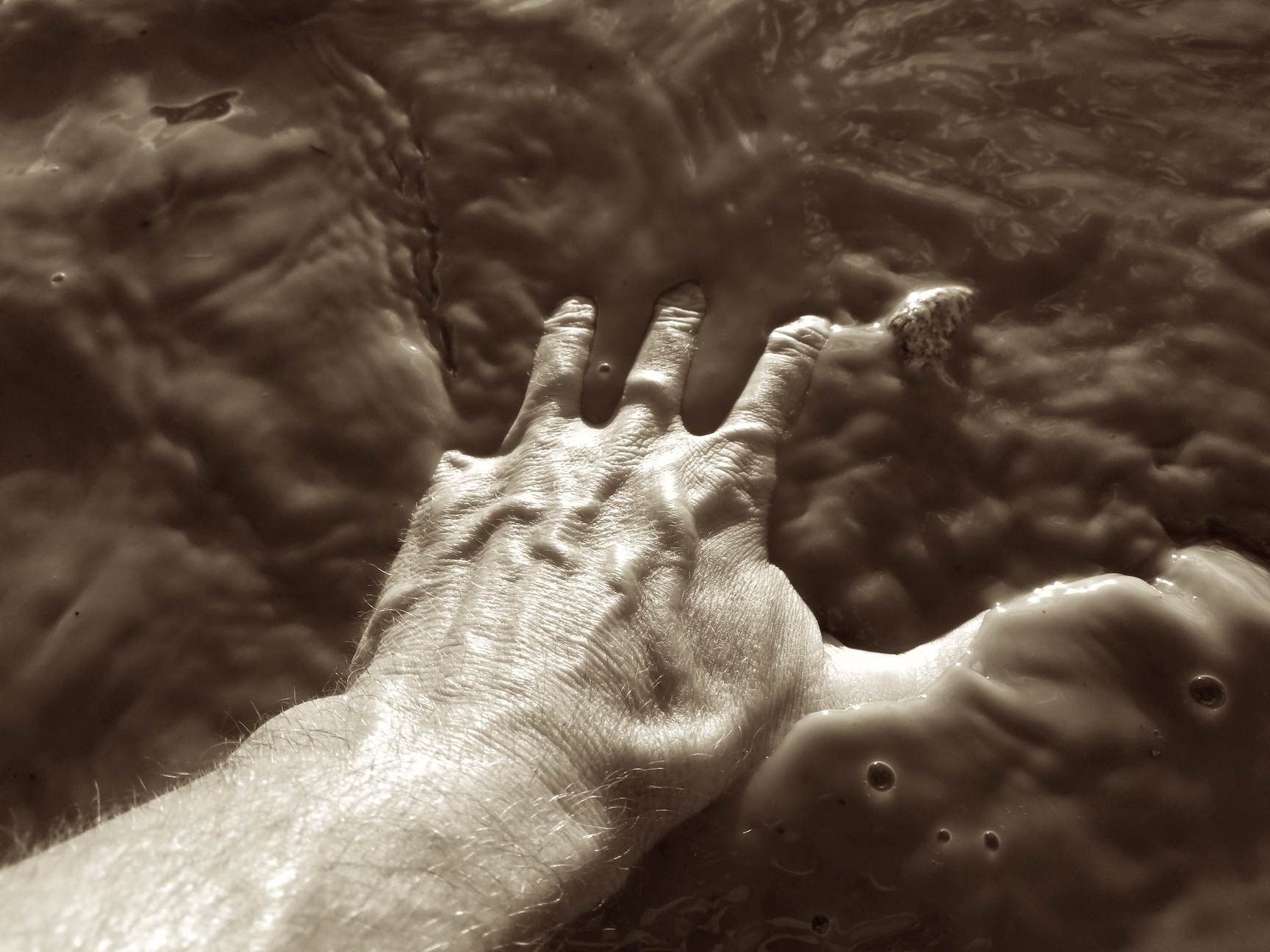
Walking in muddy waters, by Kai Staats Hand in hand with the San Pedro, by Kai Staats

The mighty, muddy San Pedro at Cascabel, by Kai Staats Ripples of the San Pedro, by Kai Staats

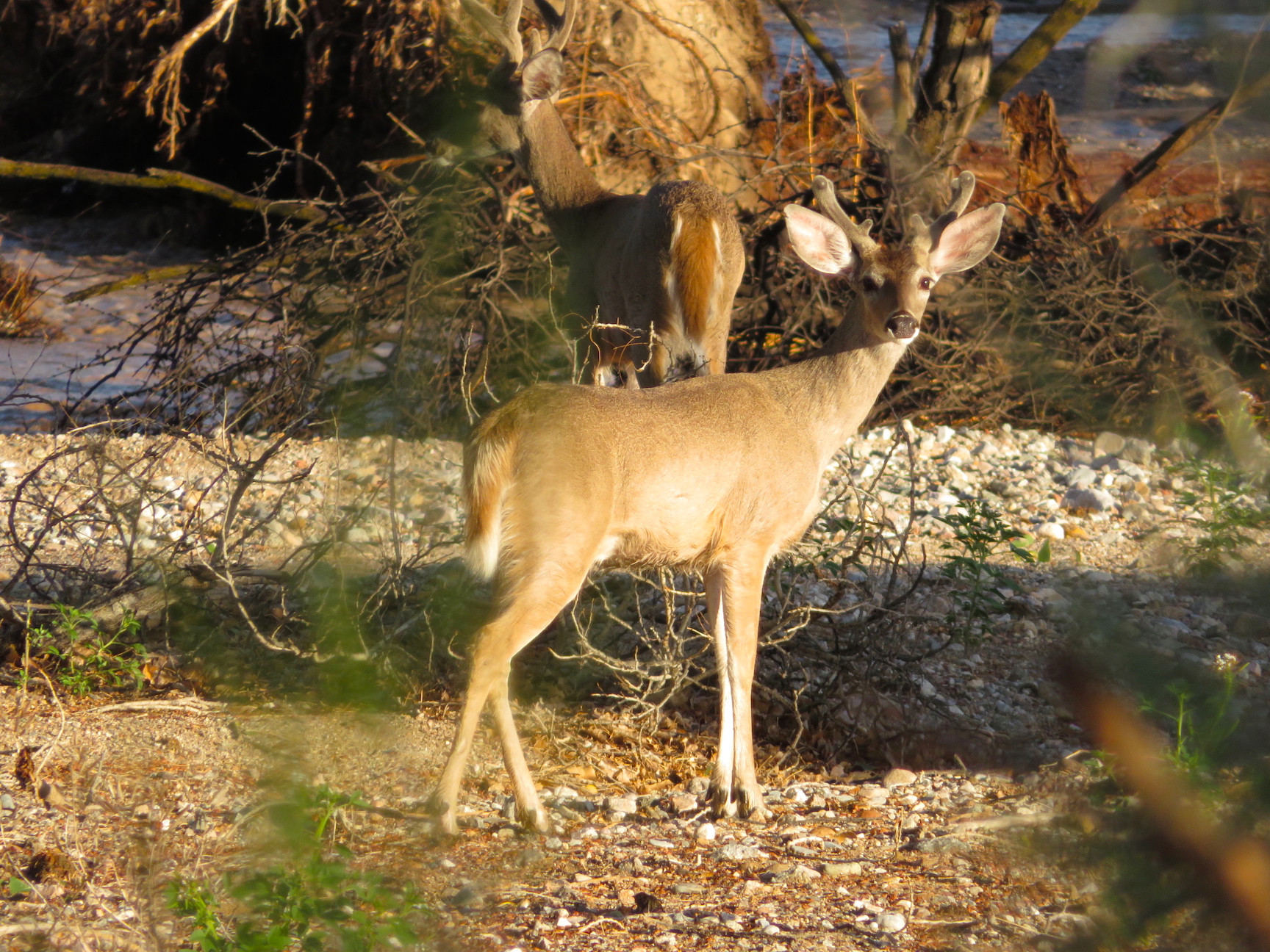
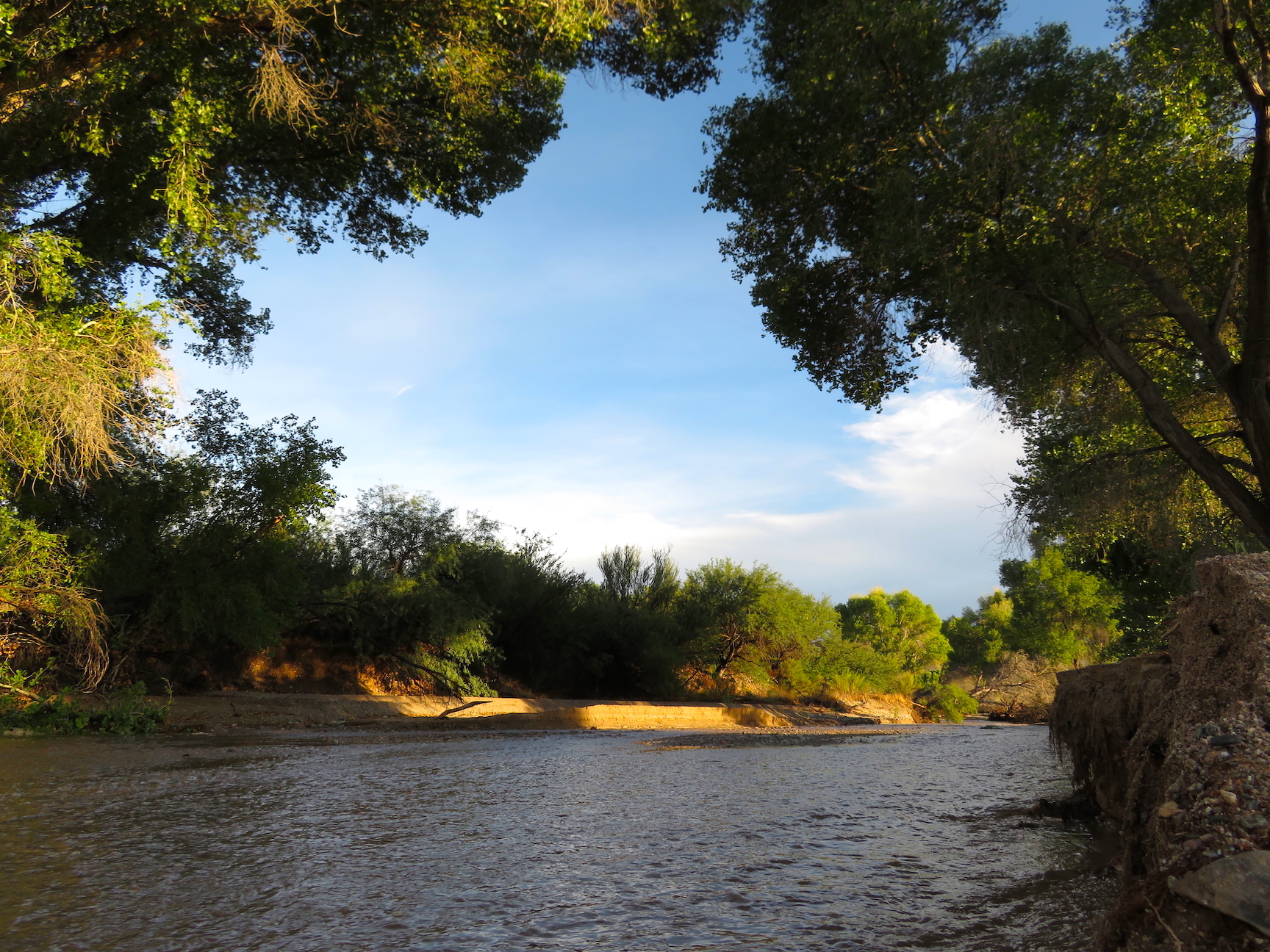
Deer at the confluence of the San Pedro and Paige rivers, by Kai Staats Paige, San Pedro confluence, by Kai Staats

By |2020-07-28T02:07:14-04:00July 28th, 2020|At Home in the Southwest|Comments Off on Walking in the ripples of the rain, a photo essay

This is how it begins …

We look the other way, not wanting to get involved.
We voice our opinion, but only to those who agree and listen.
We grow accustomed to the new norm, forgetting how things were.
We ignore the signs that history is repeating, believing we are different than before.

 Erosion of the cor    ners of the foundation,
  cracks that grow    from within.
   Bricks removed,   one by one,
  and the mortar re   turns to sand.

This is how we collapse.
This is how we crumble.
This is how the dictator
turns democracy into rubble.

By |2020-07-28T17:57:41-04:00July 19th, 2020|The Written|Comments Off on This is how it begins …

At a loss for words in a world that feels lost

These past few weeks have left me speechless. I simply don’t know what to say. It’s not that I don’t have emotions or reactions, rather I don’t want to feel what I am feeling—hopeless, horrified, completely disappointed in our government, the actions of individuals, even in our species.

Once again we are rising up, reawakening to power differentials, taking action and saying “No more!” Is this real change and an upward trend, or a momentary flutter in an historic review when we look back a few centuries from now?

In the lifetime of my grandmother she saw the rise and fall of lynchings by the KKK. In the lifetime of my father segregation in the U.S. came to an end (mostly). In my lifetime we have seen the end of electroshock therapy and sterilization of those who have learning disabilities. We will look back on each of these in disgust and wonder how it could have been.

But how quickly do we revert to the behavior of the prior generations? Are we truly changed as a species, reprogrammed at a fundamental level, or are we more simply rewiring our expectations with the underlying systems of interplay nearly identical to 100,000 years ago?

In our places of work, school, and social engagement, we talk about awareness and education. We engage in difficult conversations and walk in the shoes of those we do not understand. We remove people from power who are abusive to the minority and the under privileged. I ask, Are we affecting change at the source? Or are we just temporarily modifying the behavior of a half generation, the next to come along reverting to what we thought was erased?

Maybe we are on an upward trend, a global consciousness rising. Maybe the current rise of dictators and fascism and hatred for “the other” is a momentary, interglacial freeze in a longer warming trend. Or maybe Roddenbury got it all wrong and four hundred years from now we will not be unified as a species, exploring brave new worlds, rather we’ll still be fighting our synthetic racial divides and protesting brutality every quarter century.

We share the most homogeneous code of any species on the planet and it has not evolved to thrive in this overfilled, boiling pot. I fear we will continue to invoke change at a superficial level only to wonder a hundred years from now why we’re doing the same damned thing over and over again. We need to stop pointing fingers and implicating that that person is racist and that other is not, when this is but a temporary fix. We need to dive in deep and look to the source of these behaviors as functions of home, school, church, and the very foundation of cultures and nations and the social construct of our species.

Yes, we have to keep trying. That too is fundamental to our species. We keep working for a better world in which we reward unity over division, and the minorities at both extremes share power with the majority.

By |2020-06-11T20:10:12-04:00June 9th, 2020|The Written|Comments Off on At a loss for words in a world that feels lost

The last time I read a book …

The last time I read a book must have been some time ago,
for no longer do I recall the cover, the title, or the hero.

Instead, my days are filled with tasks and action items and to-dos,
The only action I see is when I press the wrong key,
all mystery, crime, and murder DELETE’ed.

By |2020-06-08T20:59:45-04:00June 8th, 2020|The Written|Comments Off on The last time I read a book …

Memories of the future

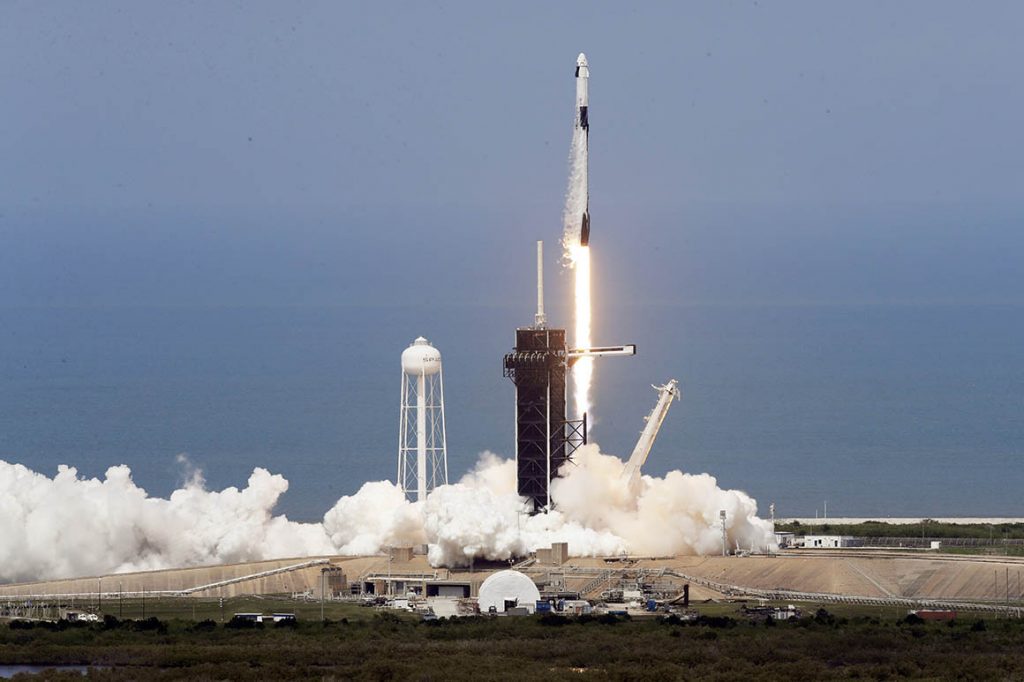
NASA SpaceX Demo 2 launch, 2020 05/30

Yesterday was a day of mixed emotions and powerful memories as I watched the launch of the NASA/SpaceX Demo 2 mission. With the first Shuttle launch my brother, parents and I watched on TV, cheering for the thrill of that beautiful vehicle defying gravity for the first time. We were allowed (even encouraged) to skip school a few times over the years for subsequent launches. And I remember the tragedies of a launch and a re-entry failed.

With NASA and SpaceX taking humans into orbit in a vehicle that looks like something out of a Hollywood film, finally, we are again in motion toward the planets and stars.

At the same time, we struggle with such basic, fundamental frailty, so much anger and pain buried deep inside for the injustices that remain in this world. We are at a critical time when this planet yet holds a hundred populations in relative isolation, as they have lived for thousands of years, and soon we will place boots on Mars.

How can all the variations that make us unique find a means to thrive? Will we learn to uphold the diversity of our species and at the same time embrace a new, unified goal that pulls us through these critical, transitional times?

I hope this and many more launches to come remind us what we have and can do when we are working toward a common goal.

By |2020-06-08T00:07:38-04:00May 31st, 2020|Looking up!|Comments Off on Memories of the future

COVID-19 isolation as an analog for space travel

As one who has frequently lived in isolation, in 2013 on a remote ranch in Colorado six weeks without seeing another human, and now in a wilderness abode with the closest neighbor a quarter mile away, the nearest town more than thirty, I recognize that my situation is the opposite from those living in isolation in the city.

This disparity causes me to wonder, Would be more difficult to venture to Mars with crew mates, or totally alone? Living in a highly confined space for more than a half year is certainly one of humanity’s greatest challenges, while the practices of living alone, solo trekking, and meditation retreats are celebrated as a means to elevate the human experience.

Do we also celebrate interpersonal caring, space sharing, and communication in such a way as to uphold those who have “survived” group dynamics in close proximity for extended periods of time? Are there monks who practice daily banter rather than go months without speaking?

Perhaps the original Biosphere 2 was just such an experiment, in the end. Many lessons learned. Surely, every Apollo mission had stories to tell as does every U.S. Navy submarine captain.

In this home-bound arena many people are learning what it means to share a small space with others, or how to go it alone. What we can learn from this experience as we design and construct prototypes for off-world habitation? How can our space program benefit from what are now learning? What does personal space mean, when space is already limited? How can we train individuals to communicate in such a way as to uphold the communal space and respect personal space too? How do you assure astronauts will come out the other end of a long journey bound by the mission objectives and also bound by something even more powerful, friendship for a lifetime? And is over militar training the only way? How does architecture support or undermine interpersonal relationships?

Questions without immediate answers … we will see.

By |2020-05-19T19:32:24-04:00May 19th, 2020|Looking up!, Ramblings of a Researcher|Comments Off on COVID-19 isolation as an analog for space travel

Ash Creek, a photo essay

Ash Creek, Galiuro Wilderness, by Kai Staats

There are places yet remaining that feel to the visitor untouched by time. We call this wilderness, and we protect it from recreational vehicle, developers, and politicians whose pockets are too easily filled with bills too large. These areas must remain wild, free of human impact other than photograph and footprint if we are to maintain some semblance of balance in the world at large. Something must offset the impact of cities and urban sprawl. Some places must give us reason to pause, to remember what it was like to be just another humble animal on a planet we did not always dominate. On trails too narrow for vehicles, on paths too jagged for wheels, that is where we recall who we really are, the human animal.

Ash Creek, Galiuro Wilderness, by Kai Staats Ash Creek, Galiuro Wilderness, by Kai Staats

Ash Creek, Galiuro Wilderness, by Kai Staats Ash Creek, Galiuro Wilderness, by Kai Staats

Ash Creek, Galiuro Wilderness, by Kai Staats Ash Creek, Galiuro Wilderness, by Kai Staats

Ash Creek, Galiuro Wilderness, by Kai Staats Ash Creek, Galiuro Wilderness, by Kai Staats

Ash Creek, Galiuro Wilderness, by Kai Staats Kai Staats and Colleen Cooley

By |2020-04-28T03:27:08-04:00April 18th, 2020|At Home in the Southwest|Comments Off on Ash Creek, a photo essay

Hot Springs Canyon, a photo essay

Hot Springs Canyon, by Kai Staats

Hot Springs Canyon, by Kai Staats Hot Springs Canyon, by Kai Staats

Hot Springs Canyon, by Kai Staats Hot Springs Canyon, by Kai Staats

Hot Springs Canyon, by Kai Staats Hot Springs Canyon, by Kai Staats

Hot Springs Canyon, by Kai Staats Hot Springs Canyon, by Kai Staats

Hot Springs Canyon, by Kai Staats Hot Springs Canyon, by Kai Staats

Hot Springs Canyon, by Kai Staats Hot Springs Canyon, by Kai Staats

Hot Springs Canyon, by Kai Staats We walked to this place from my back door and spent the afternoon listening. Everything we heard was clear. A hawk call, a leaf fall, and the sound of a water were undeniable and real.

I am more a part of this place than I ever will be of the constructed world. We all are. Yet the thing we are all hiding from, the nearly invisible string of DNA neither living or dead knows there is no separation between us and them, between the wealthy and the poor; black, white, and brown; uneducated and well read. Biological systems eventually transcend all social and geographic borders. There is no beginning or end, only the creativity of evolution and the tenacious, constant change. We are part of this process, not a destination. This is a time to celebrate simple things again.

By |2020-04-17T11:29:49-04:00April 12th, 2020|At Home in the Southwest|Comments Off on Hot Springs Canyon, a photo essay
Go to Top